
Predator Blog · July 29, 2022
Building law in Mallorca. Boring?…
Building law, or construction and planning regulations, can be very dry topics—on Mallorca it makes sense to at least familiarize yourself with them a little and do some reading …
Building law in Mallorca – boring?
You probably won’t be wildly enthusiastic about a post on building law in Mallorca. But the topic is a very important part of my little guide series on buying property, because the massive changes in building law—and the sometimes drastic restrictions on property rights associated with them—make it highly relevant, and that relevance continues even after the purchase. But let’s take a look at a few examples:
A look back into the recent past
Let’s be honest: thirty years ago, it was the Wild West. There was, of course, building law. Strictly speaking, that’s a matter for the autonomous communities. In other words, the responsibility of the regions, comparable to German federal states. We’re in the Balearics, which means that here responsibility in the legislative process lies with the so-called Island Council. In addition, there are regional and local building regulations, as well as rules from other areas that affect construction, such as nature conservation or the protection of the Tramuntana World Heritage Site. Local building regulations also include land-use planning, which, for example, determines whether usage may be “mixed” or only commercial or residential. Or what height a building may have on a given street.
The drama of Montport
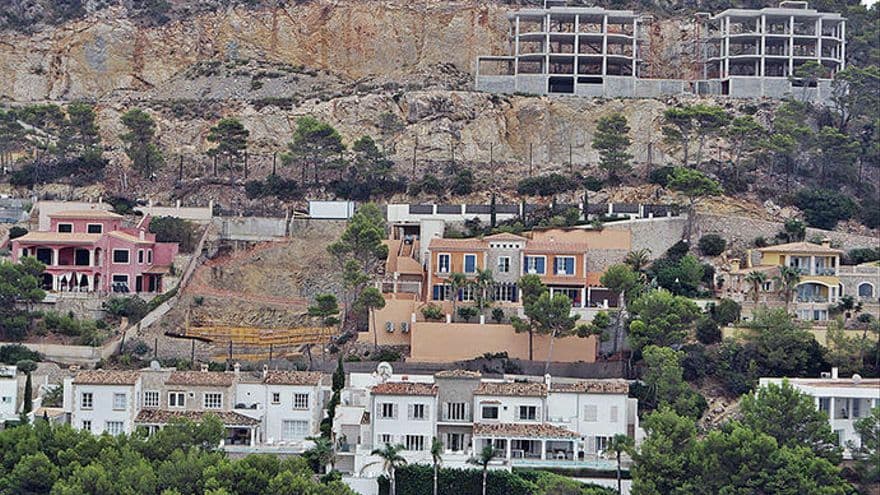
That was exactly the time when the beautiful natural hillsides in Port d´Andratx were plastered over with concrete. A prominent example was the ghost apartments of Montport. Here a pitfall comes to light that you also have to bear in mind for your purchase. Even if a municipality grants a building permit, that does not necessarily mean that construction is allowed. What happened? Under the then mayor Eugenio Hidalgo, a developer was granted a building permit for this apartment complex. The spicy part: the Island Council had already placed the entire plot under nature protection in 1991.
Likewise, in 2005 the Island Council had refused approval for Hidalgo’s land-use plan. The result: the building permit had been issued improperly and had to be withdrawn. The developer sued in court, initially seeking re-issuance of the building permit, and failed. Because the court—rightly—ruled that the building permit could not have been lawful.
In the end, however, the plaintiff did succeed—just like several co-plaintiffs who had already bought apartments in the complex “off plan”—with a claim for damages. Specifically against the municipality of Andratx, which was sentenced in 2019 in this sensational case to pay 15 million euros. Which was only a small part of the damage actually incurred.
By the way, the mayor was allowed to—and had to—move out. He went straight from the town hall to prison.
Building law in Mallorca: The Consell cracks down
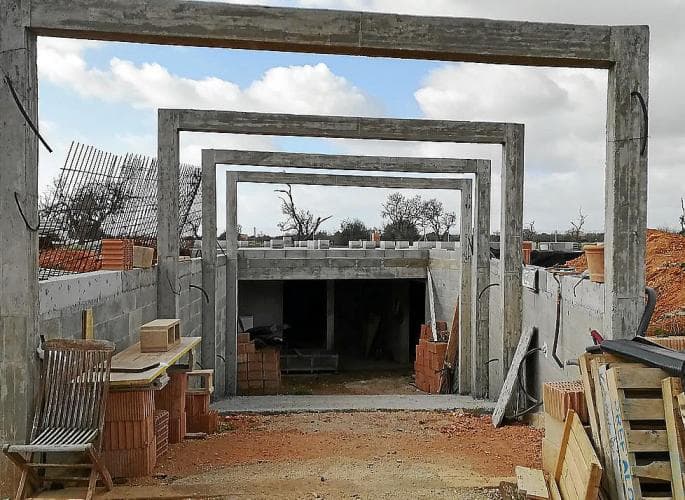
Until a little more than 5 years ago, municipalities were responsible for illegal buildings. They were responsible for taking the often laborious and time-consuming legal route to obtain court-ordered and enforceable demolition orders. But often, not insignificant parts of their revenue also came from taxes triggered by the use of illegal buildings. Which didn’t exactly increase the bureaucracy’s motivation.
At some point the Balearic government had had enough, and so the Consell de Mallorca (the “Island Council”) installed a kind of authority called “La Agència de Defensa del Territori”, or ADT for short, which, as a kind of service provider, was supposed to ensure that municipalities finally acted the way the government had in mind. It started off somewhat hesitantly and then became increasingly successful, with the previous high point in 2021, when owners of 137 buildings were served demolition orders.
In the last 5 years, according to Ultima Hora, 541 demolitions were carried out, but 759 legalization projects have also been submitted since 2017.
It is right to enforce applicable law when it has not been complied with. That is a legitimate sanction, which ultimately ensures that the vast majority adhere to the rules. And thus also a matter of fairness and of acceptance of rules.
Moratorium as a substitute for building law?
However, in recent years there have increasingly been decisions issued by the authorities that have caused many developers to shake their heads, and sometimes to get headaches too. I still remember the moratorium in the Calvia area along the coastal strip, which was an enormous financial burden for many developers.
Classy things go on in the sh…house….
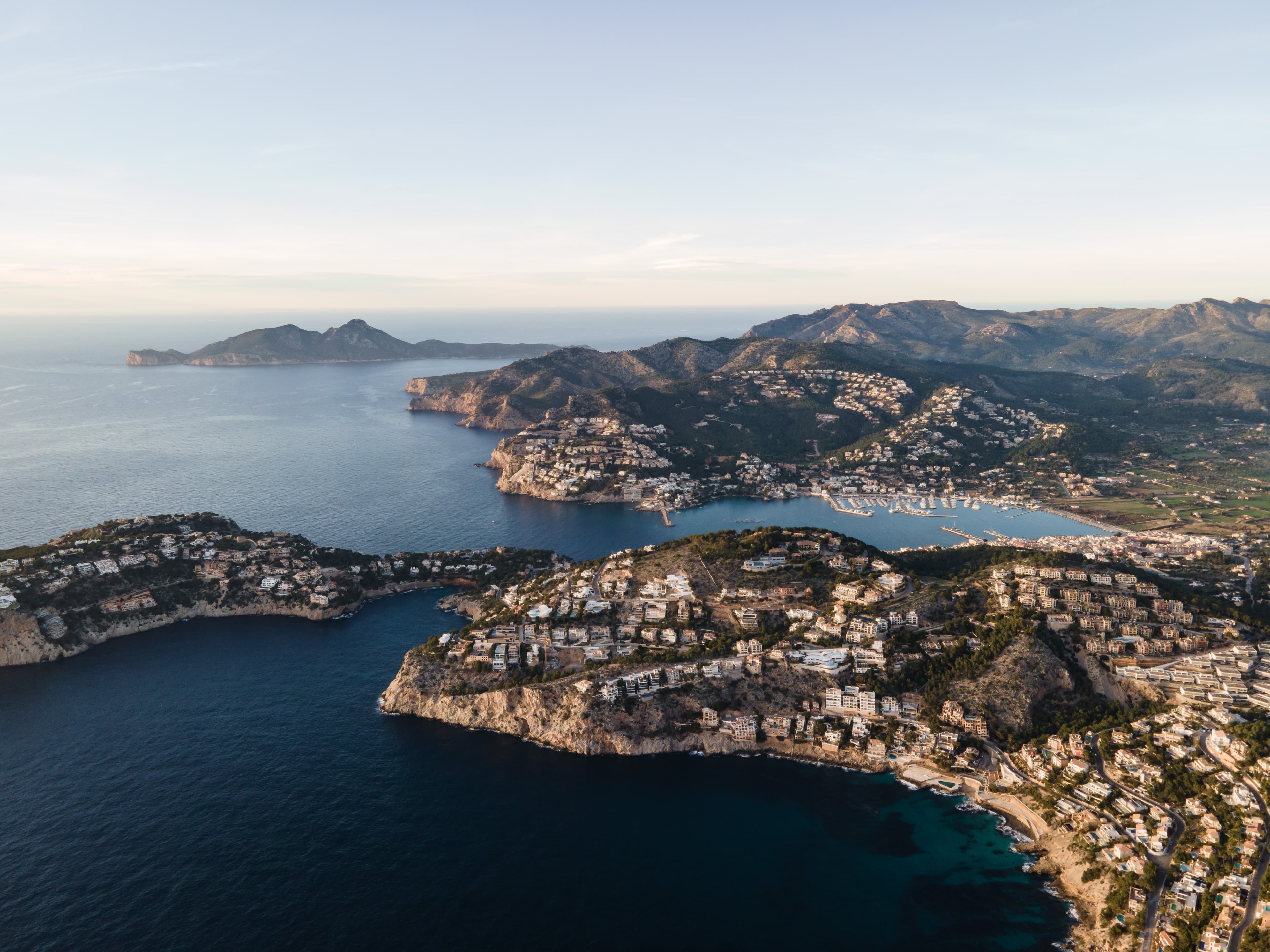
A similar situation occurred in Port d´Andratx, where a considerable portion of the upscale villas sit on cesspits, because in the posh little town there is in some places no sewer system. And again and again it then stinks there from the ground, because the presumably undeveloped but built-up areas have a problem when the fosa sépticas leak and the sh… makes its way downward …
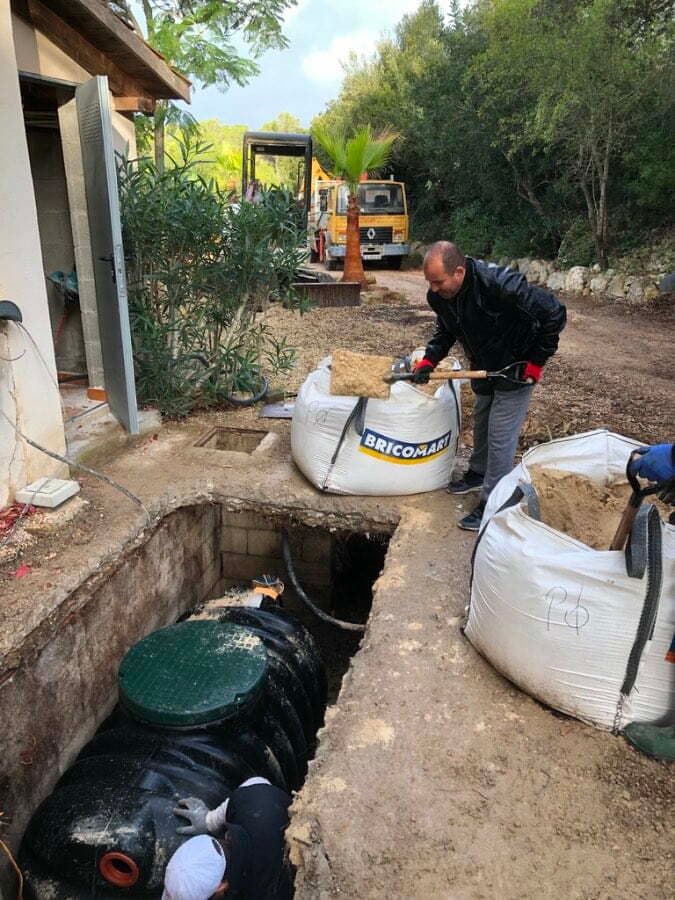
So another moratorium was issued again … Just like in Son Vida, where the sewer works are still not finished, and in other places.
Think about it!
We’ve now experienced two consecutive one-year moratoriums in Palma, during which building applications were in some cases not processed because a commission had been set up to decide which buildings should be classified as worthy of heritage protection and which should not. Unfortunately, so little came of it that they then actually adjusted the administrative rules and now reserve the right, when a building application is submitted, to simply place the building under heritage protection spontaneously. That seems very arbitrary and very unclear. Rules are there so that, in the end, two applicants get the same answer from two officials. That is not guaranteed here.
Please not glass everywhere!
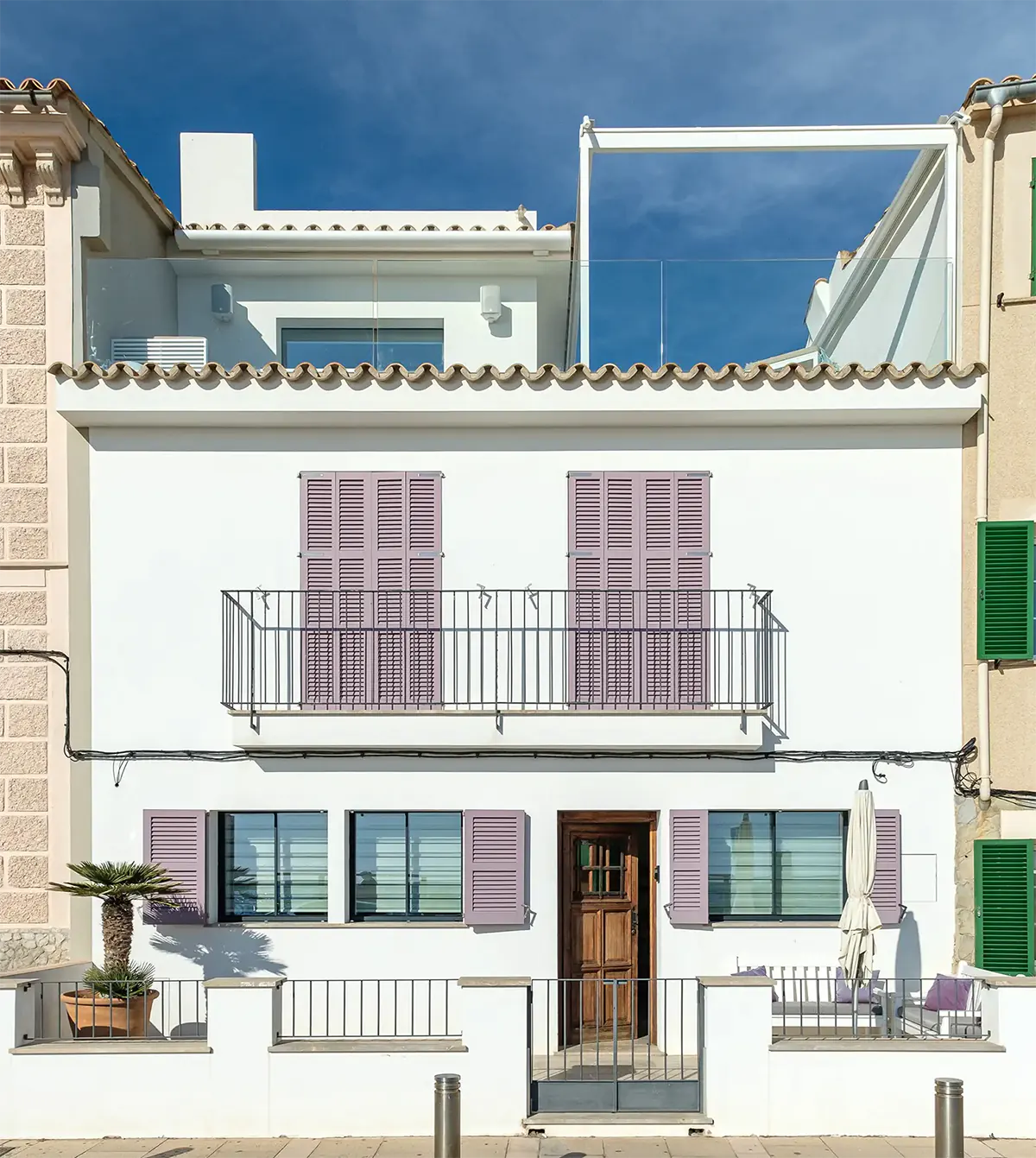
In the south, people built differently. To us Northern and Central Europeans, the houses sometimes seemed dark—which, compared to the glaring light outside, they are. But people had their reasons. Take a look at the photo of our la23: the smaller windows compared to full glazing provide privacy, ensure that the house doesn’t overheat excessively, and frame the beautiful sea view like a good photograph.
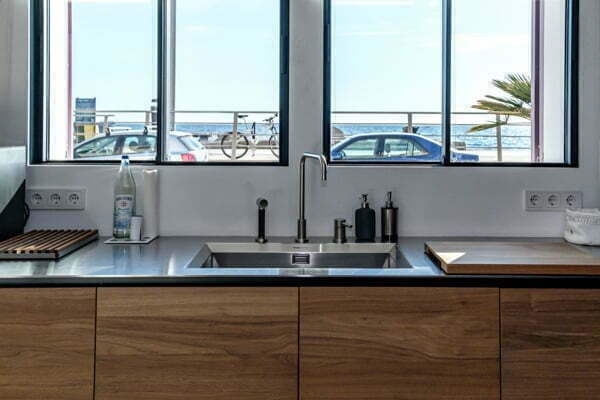
If today you submit a façade with your building application, a commission looks it over. For me in practice that’s completely fine—I share the commission’s taste and find those pseudo-new-builds that were created primarily with huge window areas and off-putting façades terrible! But still, a commission shouldn’t be allowed to decide this at will; there should be clear, transparent rules.
We need rules. Real rules!
From my point of view, it cannot be that authorities take private builders hostage because they are unwilling or unable to issue their regulations. A moratorium should only ever be a last resort. And for that, an authority would have to explain why there was no less intrusive measure.
We need legal certainty. It has to be clear what makes a façade acceptable so that it will be approved. Or whether being connected to the sewer system is a prerequisite for a building permit.
But … not like this!
In Palma, there was suddenly a new land-use plan. As a consequence, only 10% of the area of an inner-city patio may now be pool surface. So if we assume an average patio of 40–50 m2, then you can calculate the size of the bathtub yourself. In addition, a “green zone” must be created that is twice the size of the pool.
To make matters worse, the city expects the applicant to comply with the old AND the new regulation during the transition period. Why? Just because the authority itself is unsure whether the plan will actually be implemented in full? Sorry, that really can’t be right! Then announce the new plan. Accept that up to the cut-off date builders will shovel in applications under the old law. And then switch over. But here the authority’s indecision is being taken out on citizens.
Then came Calvià
Last Monday, Calvià then reached that point: throughout the entire region—and I think Calvià is one of the largest municipalities by area here on the island—the pool size was limited to 45 cubic meters. Which, at an average depth of 1.5 m, corresponds to 30 square meters. So roughly the size of a precast concrete single garage. Which is supposed to stand in front of a 20 million villa in Alt Bendinat in the future. So not the garage, but the comparably small pool. The house is still allowed to be 700 m2 in size. Plus a full basement of barely restricted size …
Where did the guide go?
Maybe I got a little carried away. Lost the thread along the way and neglected the topic of “giving advice” quite a bit. But the problem is: there simply is no real thread. What we have here is a series of ordinances, moratoriums, and scandals that really only have one thing in common: they make your property worse. And I see no tendency for this trend to reverse.
My advice: build now!
If you have a plot: submit a building application. Immediately! Regardless of whether you’ve already planned the perfect house. Or whether it’s still more of a shoebox with openings. The path to approval of the building application is between about just under a year (Calvía) and almost 4 years (El Molinar in Palma). During that time, you can still talk about changes. But as a rule, you don’t have to fear that changes made after submission will be implemented to your detriment. Though even that is not certain.
Again the disclaimer: I’m obviously not a lawyer; I’m simply writing my opinion here. Based on my practical experience as a real estate investor over the last 10 years. So it could be complete nonsense!

Secure your property
It probably won’t get better! Really extreme cases include, for example:
You buy a house that could no longer be built like that today. The house burns down. Then you have—generally speaking—a plot that can no longer be developed the way you had bought it. And nobody will compensate you for the loss in value.
Or: you bought a villa with a pool. The pool breaks and you submit a building application to repair it … Can you guess what happens? “Honey, I shrank the pool …” is what you might then have to tell your partner …
The first two parts of my guide series are really more like guides. One is about the selection of properties, the other about the legal pitfalls. If you’re considering buying property in Mallorca, I think they’re quite helpful to read.
Best regards from the most beautiful island,
Arnd