
Predator Blog · March 09, 2023
Successfully into your own four walls: How to find the perfect home with our property-buying guide!
The search for the perfect home can sometimes feel like an expedition into the unknown, where you have to overcome a multitude of options and obstacles. But don’t worry – our property-buying guide is your loyal companion, supporting you on your adventure and ensuring you reach your destination: your personal living paradise.
Arnd has already given you a few tips to make your property purchase successful and secure, so that enthusiasm doesn’t turn into frustration. From some technical considerations to a few formal hurdles that can have an unpleasant outcome. Today I’d like to address this topic a bit more extensively and offer you a guide to the perfect purchase.
Before you enter the buying process, you should make sure you don’t get carried away by anticipation and take the time to define your property needs precisely. This way, you can ensure you find the perfect home that meets all your requirements and feels like the perfect choice for you.
Which type of property suits you?
Define what requirements your lifestyle places on a property. Would you like to live near a beach or seaside promenade? Do you prefer an urban lifestyle, or is outdoor space a must? Is all of this less important, and would it be enough to have schools and some basic amenities within 10 minutes? Or are you more interested in a rural location? Are you more of a country person or a city person? Do you love a rustic or modern style?
Villas with generous gardens and a private pool are among the most sought-after property types in Mallorca. Terraced houses in the many “urbanizaciones,” with less land area but with a pool and a garage, are also very popular.
Mallorca also offers a wide selection of apartments in different styles – right on the coast or in the city. However, you should note that many of the buildings in some of the best coastal locations date back to the 1970s. At that time, truly great stretches of coastline were lined with these huge apartment blocks. In the meantime, though, you can also find fantastic renovated apartments in these older buildings, some of them even with great views. Of course, the price is always determined by location and size.
For many, a finca in Mallorca is also the dream of living a rural lifestyle under the southern sun. The island offers a large selection of fincas and country houses for every need. Country homes are ideal for those looking for privacy, peace away from tourism, and proximity to nature.
Don’t hesitate too long and be realistic, because prices have tended to rise for decades
If you’re reading this post, you’re probably already ten years too late to snap up some of the best locations and best prices. The market continues to tighten. You have to understand what you’re getting for your money and stay up to date so that when a great property appears, you recognize it and don’t hesitate. So view and compare a lot, and go for it as soon as the right property appeals to you!
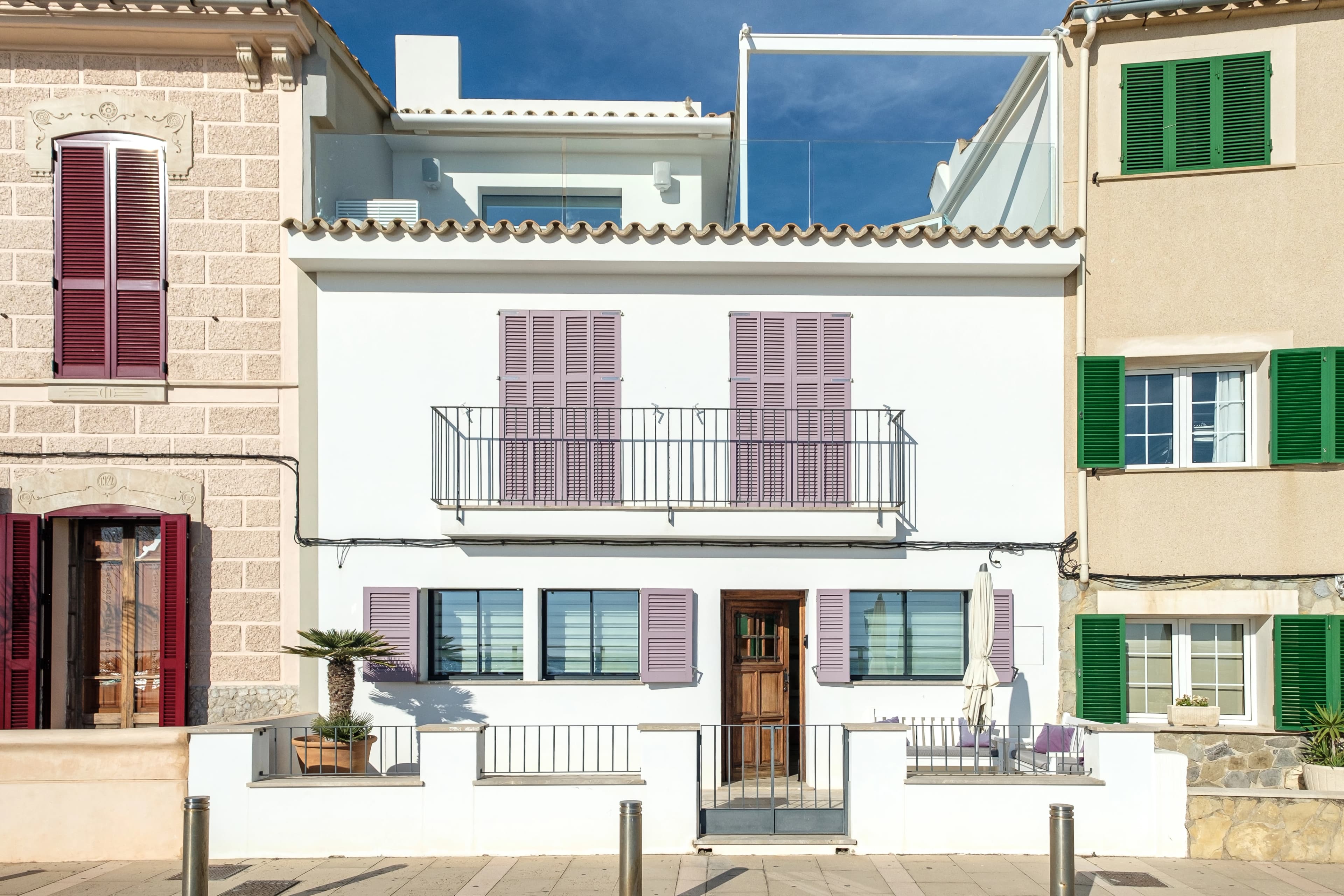
Find your perfect living paradise
It can be difficult to decide on a specific area in Mallorca if you have little knowledge of the island. I strongly recommend that you rent accommodation first while you search for the right property to buy, so you can get a better feel for the surroundings and find out which area suits you best.
It is advisable to consider Palma. From El Molinar / Portixol all the way to the Old Town or Son Vida and surroundings. The city offers a wide variety of properties to choose from, featuring either sea views, historic charm, or modern features in a vibrant setting.
To enjoy a more relaxed atmosphere on the island, you should explore the southwest, from Bendinat to Andratx. These areas have been highly valued for years and offer a wide range of options. Here you’ll find both modern developments as well as quiet mountain villages and luxury villas – mostly with breathtaking views of the Tramontana mountains or the clear bays. Even if it can be a bit more expensive here, the region is a worthwhile investment, as it offers first-class infrastructure and an international community.
The north of Mallorca is also very popular with property buyers, especially Brits and Germans. The region impresses year-round with its natural beauty. However, some places may feel deserted during the winter months. In this part of the island, Pollensa and Port de Pollensa stand out.
For more information, simply read our top 7 locations!
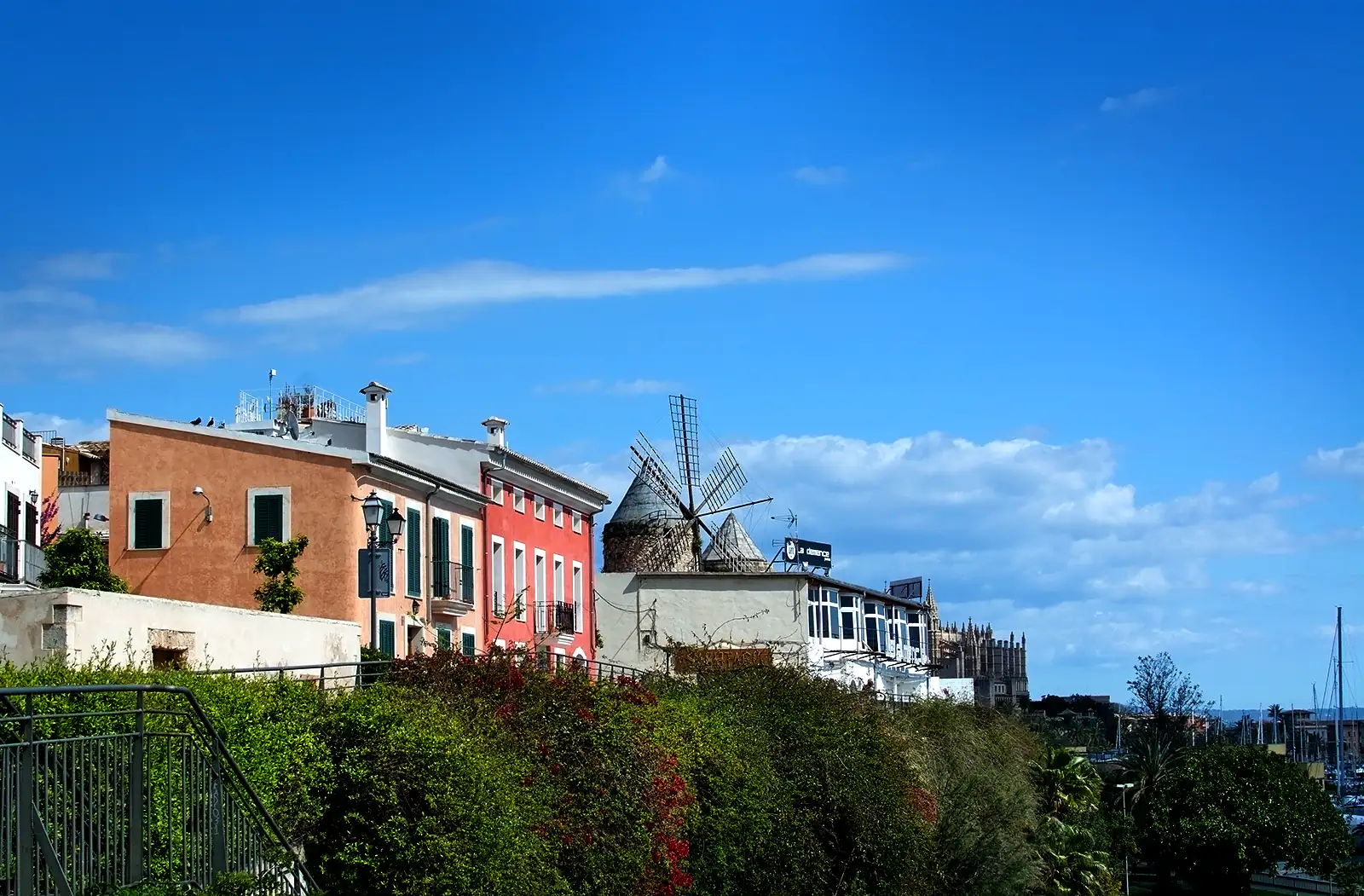
Where and how should you start your search?
Starting your property search can be an exciting but also overwhelming experience. With so many search options out there, it can be hard to know where to begin. From property portals to countless agents, you’re virtually flooded with the abundance of possible search options.
One of the best ways to start is with an online search. There are many property platforms that list properties from various agencies and private owners. Make sure you explore as many sources as possible to develop a sense of how the market is currently positioned. To increase your chances of success, you should keep an eye out for new listings again and again across different sources.
After the online research, it makes sense to engage with the relevant agents. Agents in Mallorca often have a large portfolio; however, they are usually specialized in a particular area. If you have a specific area in mind, research which agents are the market leaders in that area.
Often, however, a property purchase is decided by emotions despite all rational aspects
We often think first about the practical aspects: location, size, price, features, and so on. We try to be logical and rational in our decision-making process by weighing the pros and cons of each option. But what about the emotional aspect of buying a home? What about that feeling you get when you step into a place and it just feels right?
As a former agent, I observed this phenomenon again and again. Clients will view different properties and try to be objective and analytical, but when they enter that one special place, they simply know. It’s not just about the number of bedrooms or the square meters, but about the feeling.
Some people may dismiss this as irrational or unimportant, but I believe it’s crucial. After all, a home is not just a physical space, but a place where we live our lives, create memories, and feel a sense of belonging. If we don’t feel a connection to the place, it’s unlikely we’ll be happy there in the long term.
Of course, there are practical considerations that cannot be ignored. Budget, location, and other factors all play a role in the decision-making process. But I always encourage you to pay attention to intuition. So if you walk into a place and immediately feel at home, that’s a strong signal!
Now we come to the legally important matters when buying property in Mallorca
When buying property in Mallorca, there are specific legal requirements that must be observed. Here are some of the legal requirements you should know before you buy a property in Mallorca.
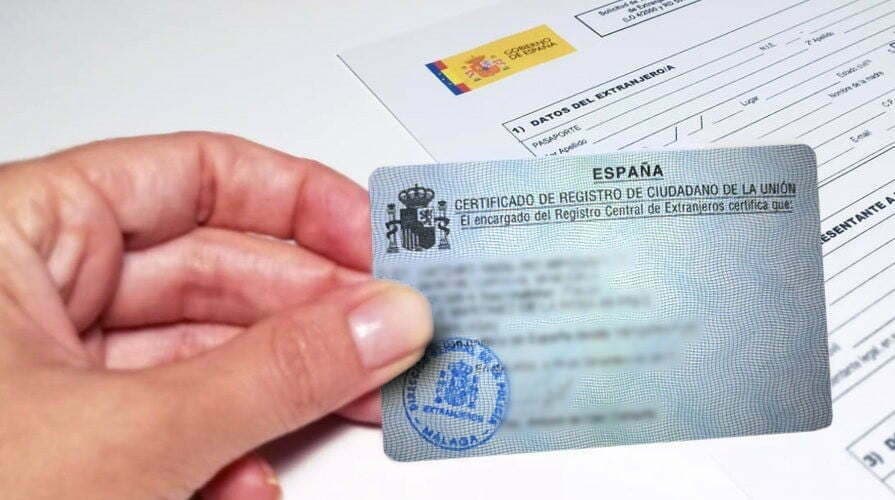
- NIE number: The first and most important legal requirement for buying property in Mallorca is applying for a Spanish tax number known as the NIE (Número de Identificación de Extranjeros). Without this number, you cannot buy a property, take out a mortgage loan, or even buy a car on the island. The NIE can be applied for either by visiting the Oficina de Extranjería in Palma de Mallorca or by commissioning a Gestoria to do so with this official agency. To apply for the NIE, you will need your passports and two passport photos.
- Bank account: Once you have received your NIE numbers, the next step is to open a bank account in Mallorca. You need a Spanish bank account in order to handle the purchase of property, including paying the purchase price to the seller in the form of cheques at notary appointments. It is important to inquire about any fees that may be charged by Spanish financial institutions for these “bancarias” cheques. In addition, you will later use your Spanish bank accounts to pay for the furnishing of your properties and other ongoing costs.
- Lawyer: It is strongly recommended to involve an independent local lawyer at an early stage of the buying process to ensure your interests are protected. A good lawyer will assist you in obtaining all necessary legal documents and help ensure a secure property purchase. In addition, a lawyer will also check the legality of the land or property as well as any existing debts secured against the property.
The basic documentation every property should have
In addition to the legal requirements, it is extremely important that the property you are interested in has a set of important documents that are necessary for the property purchase or a loan application and that also confirm the legality of the property. These documents are essential to ensure the legitimacy of the property and to successfully complete all necessary formalities, from the loan application to the purchase of the property or insuring the property.
- An up-to-date land registry extract (Nota Simple). The Nota Simple is an official land registry extract that contains a brief description of the property, its boundaries, information about the owner, and any encumbrances or charges.
- Title deed (Escritura): an essential document for the transfer of full legal ownership from the original owner of the property to the buyer. This formal document states who owns the property and also includes a summary of the property.
- Energy efficiency certificate: The energy certificate (Certificado de eficiencia energética) indicates the energy efficiency of a property in Spain; this is shown with letters from A to G, where A is the best and G the worst efficiency.
- Certificate of Habitation (Cédula de Habitabilidad): The Cédula serves as proof that a property meets the minimum requirements for usable accommodation. These requirements include certain size specifications, technical installations, and sanitary facilities. The exact definitions of these requirements are set out in the respective building regulations. It is important and required for connecting a building to utilities such as electricity, water, gas, or telephone.
- Community certificate (Certificado de Pgos de la Comunidad): It is necessary to present a certificate from the homeowners’ association when purchasing a property in Mallorca. This certificate confirms that the seller has always paid the community fees on time and is currently up to date with payments.
- Latest receipts for payment of property tax, as well as the refuse collection fee, and a bank certificate regarding any outstanding debts
- For new builds, the certificate of completion / final building acceptance as well as the certificate for the installation of water, electricity, and gas.
It’s best to have the property professionally inspected
Property experts know the pitfalls that can come with buying property in Mallorca. Before you decide on a property and sign a reservation or option contract, you must thoroughly inspect the property. Mallorca’s warm and humid climate places high demands on the condition of many properties. For this reason, you should check the house for moisture damage and have the condition of the electrical and water lines checked. As part of this analysis, you can also make sure whether and which heating options are available and what condition the windows, doors, and sanitary installations are in. In Arnd’s article, you can read more about some classic problems.
Is everything registered as well?
It is crucial to ensure that all information in the deed of sale matches reality. For example, if the house has a pool but it is not listed in the deed of sale, there may be a possibility that the pool was built illegally. As a first check, you can verify the plot and built area in advance using the exact address here in the cadastre. However, it is still important to read the deed of sale thoroughly, as it is more reliable than the cadastral extract and, ultimately, the document that is notarized.
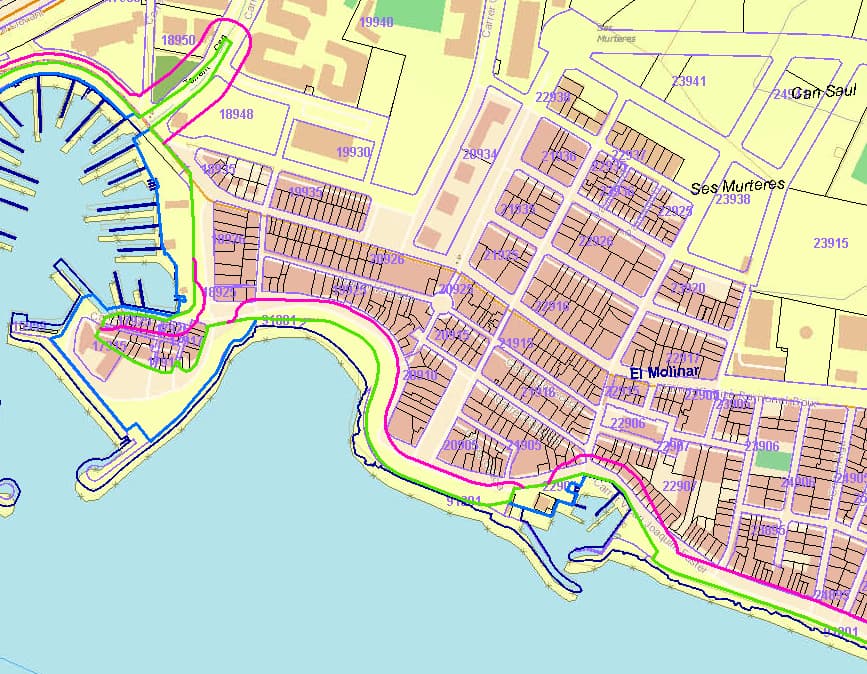
If the property is located on the coast, you can use this tool to check whether the coastline touches the plot or not. Everything behind the green line belongs to the public zone.
Additional purchase costs when buying property
When buying a property, you should not only keep an eye on the purchase price, but also on the additional costs associated with it. As a rule, these costs are between 10% and 12% of the purchase price. It is important to inform yourself about these costs in advance to ensure you have sufficient budget available. The costs of buying a property in Mallorca include notary fees, land registry costs, VAT on new builds (IVA) when purchasing new properties, property transfer tax (ITP) when buying pre-owned properties, and stamp duty (AJD).
It is important to consider these costs in advance to ensure you are not surprised by unexpected expenses.
Financing
If you want to purchase a property abroad, important financing questions arise, for example which banks can handle the financing. For property financing in Mallorca, you can opt for a German bank, but most German banks do not offer mortgage loans for holiday properties abroad unless there is sufficient collateral in Germany. German banks that also operate in Spain place a charge on the property locally in accordance with Spanish law.
Financing through German banks has the advantage of German terms, including a fixed interest rate for the respective term. However, property financing in Mallorca is too uncertain for many German banks, as a well-founded property valuation is often lacking. If you choose a Spanish bank, you can choose between a fixed-rate mortgage or a variable-rate mortgage, which can also be combined. With a fixed-rate mortgage, the interest rate remains unchanged for the entire term, but the loan must be fully repaid during the financing period.
A variable-rate mortgage is linked to the Euribor and is reviewed and adjusted annually. The equity portion in property financing is generally up to 60%, and you will need personal documents as well as proof of your net income and assets. Spanish banks use net income as the basis and request a breakdown of ongoing monthly liabilities. You will also need photocopies of your passport or ID card, the N.I.E, the last three payslips, the last income tax return and the last income tax assessment, as well as bank statements for the last 3 months and property-related documents.
Reservation and option contracts
Once the dream property has been found and the price negotiated, the first step is to conclude a reservation or option contract. A reservation contract (Contrato de Reserva) makes sense if you have a genuine interest in buying the property but the financing is still uncertain. The reservation contract has the character of a letter of intent. You pay a small deposit and the seller commits to reserving the property for a period of time. If a purchase contract is concluded, the deposit is credited against the purchase price; if not, the money is lost.
The situation is different with an option contract, which is similar to a binding declaration of intent. In exchange for a deposit of 10 percent of the purchase price, the interested party acquires the right to purchase the property within a precisely defined period. If the contract goes ahead, the option payment is credited against the purchase price. If no purchase contract is concluded for reasons for which the interested party is responsible, the entire deposit is forfeited. If the seller is responsible for the failure of the purchase, they must pay the buyer the option payment plus compensation.
Tax aspects
If you buy a property in Mallorca, you should inform yourself in advance about the various taxes and duties that may arise when buying, selling, or renting.
Ongoing annual taxes
As the owner of a property in Spain, ongoing taxes are an important aspect to keep in mind. Property tax, income tax, and wealth tax are payable annually and can vary depending on the municipality, type of use, and value of the property. It is therefore important to inform yourself about the respective tax rates and allowances in order to avoid any unpleasant surprises. In this context, it also makes sense to seek advice from a tax advisor in order to take advantage of possible tax benefits and deductible expenses.
- Property taxes: They are levied by the municipalities on the basis of the cadastral value of rural and urban land. Taxpayers are the owners, hereditary building right holders, and usufructuaries. The amount of property tax is determined by the municipalities and is between 0.4% and 1.1% for developed plots and between 0.3% and 0.9% for undeveloped plots.
- Income taxes: If you use the property yourself, 19% tax is levied on 1.1% of the cadastral value as deemed rental income. If you rent it out, 19% tax must be paid on the rental income, with various costs being deductible, e.g. interest on mortgage loans, community costs in a residential complex, property tax, maintenance costs, insurance, utility provider costs, depreciation = 3% p.a. on the value of the buildings.
- Wealth tax: The tax rate for non-residents is between 0.2% and 3.5% for all assets located in Spain. For a property, the highest value of the cadastral value, the acquisition value, or the value determined by the tax authority is used. There is an allowance of €700,000, which each owner is entitled to if the property has multiple owners.
I hope we were able to give you a few useful tips with this guide.
If you feel something is still missing, feel free to reach out to us and we will expand our guide.